The Simple Trick to Beat Day-One Jitters: Why You Need an ‘Anchor’ Activity
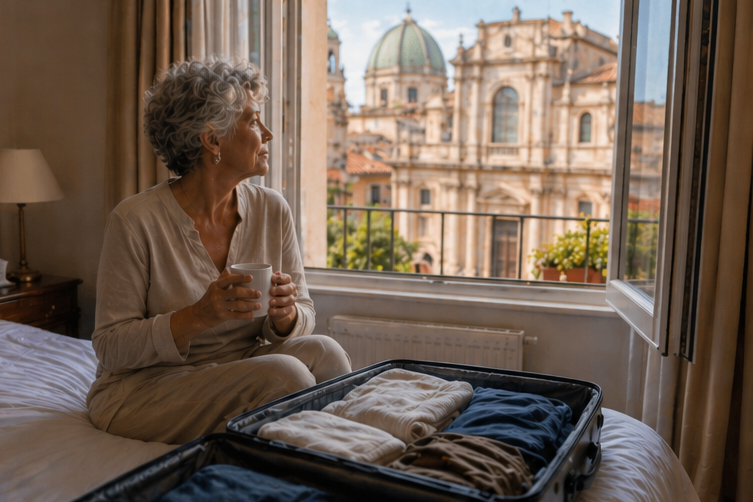
The first thing I do when I land somewhere new is nothing.
I drop my bags. I wash my face. If there's been a delay, and there usually has been, I don't try to make up for lost time. I've learned that the instinct to immediately optimize the day is exactly the wrong one.
But then I go for a walk.
Not a sightseeing walk. Not a structured tour or a checklist of landmarks. Just a walk. Thirty minutes in one direction, then back. I'm not looking for anything specific. I'm letting my nervous system catch up with the fact that I'm here. I'm learning where the sun sits, which streets feel comfortable, whether the neighborhood moves fast or slow. By the time I've returned to my room, I've already started to belong.
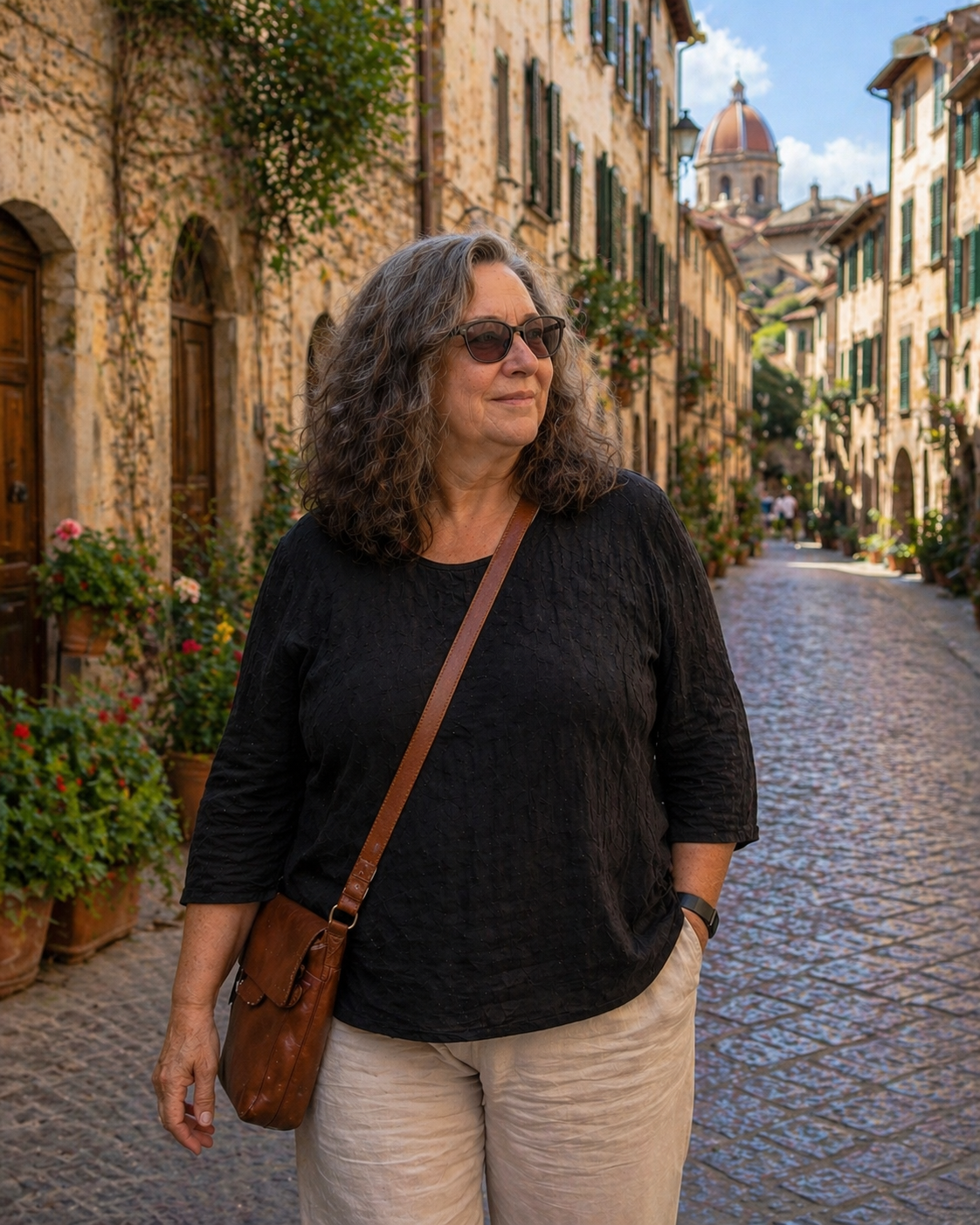
That walk is my anchor.
And every solo traveler needs one.
The Day-One feeling that trips people up isn't always jitters, not for women who've done this before. It's more like a gap. You've traveled, you've arrived, and now you're standing in a quiet room with the rest of the day in front of you and no one to negotiate it with. That gap can feel like freedom or it can feel like a void, and which one it becomes depends almost entirely on what you do in the first few hours.
The worst move is to nap. I know it's tempting. Don't. You'll wake up in the dark, hungry and disoriented, and the city will feel far less friendly than it did when you landed.
The best move is to give yourself one small mission. Not an agenda. A mission. Something that requires you to move your body through a new place and arrive somewhere specific. For me, on Day One, it's always that walk. Low stakes, no destination, just getting my bearings.Whatever it is, the way you tell your story online can make all the difference.
The food tour comes on Day Two, and it is non-negotiable.
I've tried walking tours, cycling tours, art tours. I always come back to food. Here's why: a good food guide doesn't just take you somewhere to eat. They tell you where they actually eat. You ask them where the locals go for coffee on a Sunday, which neighborhood has the best market, what you should absolutely not bother with. In the span of three hours, you've collected the kind of information it would otherwise take you a week to accumulate, and you've collected it from someone who lives there.
That's the real value of building your first full day around a local guide, whether it's food or walking or a craft class or a cooking lesson. You're not just filling time. You're building a map. You leave with recommendations, context, a handful of names to drop at dinner. The city stops feeling foreign because someone who calls it home has handed you a small piece of their version of it.
You also, not incidentally, leave having talked to people. Having laughed. Having asked questions out loud. On a solo trip, that matters more than any landmark you could have checked off instead.
Here's what I've noticed over the years: the women who struggle most on Day One are the ones who try to do too much, too fast. They've planned every hour and when the plan slips, a delayed flight, a room that's not ready, a restaurant that's closed on Mondays, the whole thing starts to feel like a failure.
The women who hit their stride quickly are the ones who hold Day One loosely. Nothing scheduled. One small anchor. Walk, then rest, then find something good to eat.
Day Two, you book the tour. Day Three, the city is yours.
It doesn't have to be complicated. It just has to be yours.
If you're figuring out the logistics, the Solo Travel Starter Kit is a good place to start.
