The First Solo Trip: A No-Nonsense Starter Kit for the Grown Woman
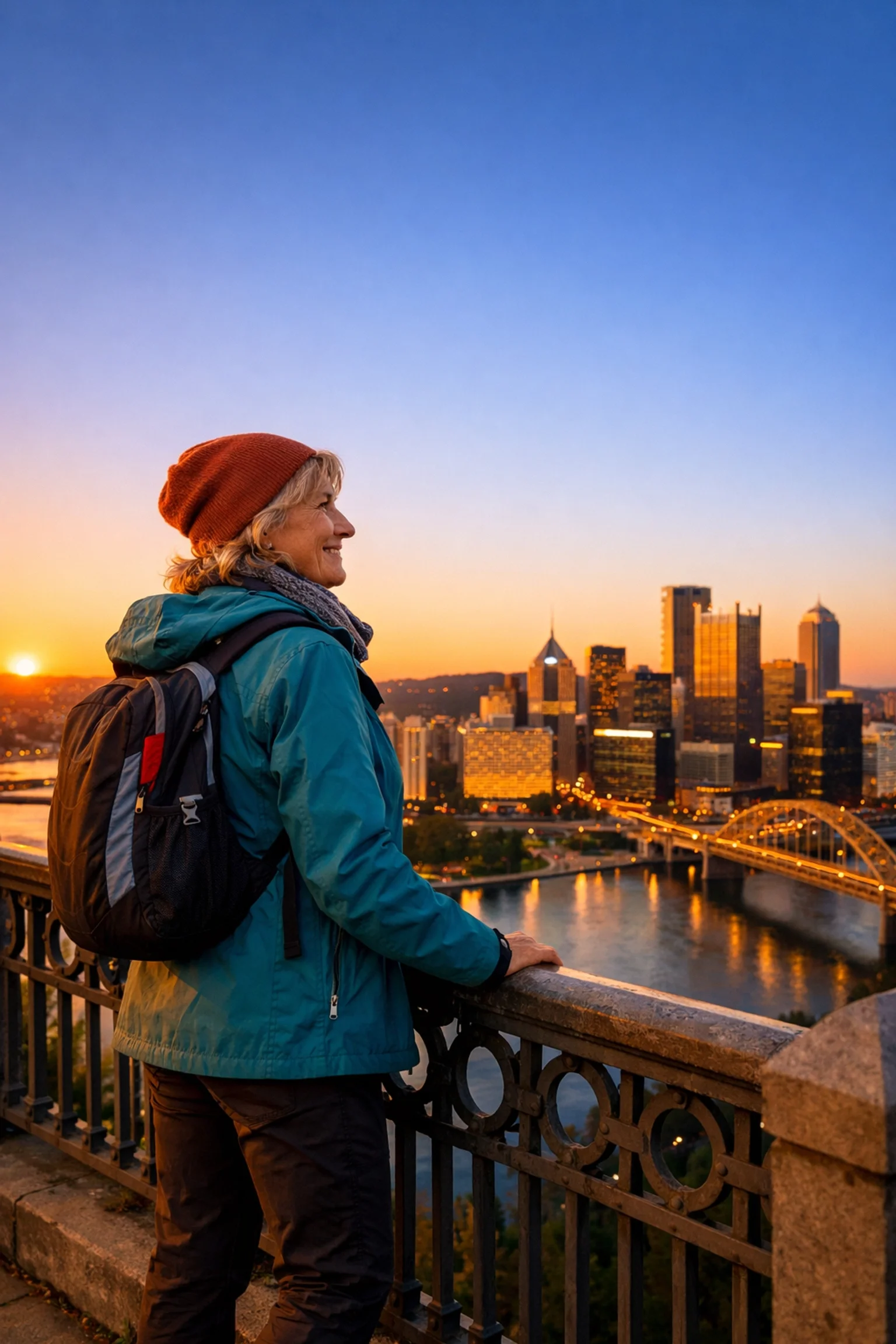
Planning your first solo trip is not an exercise in becoming brave. You are already a grown woman. You have navigated decades of professional challenges, family complexities, and the general friction of daily life. You have managed mortgages, handled health crises, and solved problems that required more grit than finding a train platform in Florence.
Solo travel is simply another project. It requires a map, a set of systems, and the willingness to be seen. This starter kit is designed for the woman over 50 who is done waiting for a companion to say yes. It provides a grounded structure to make a first solo trip feel doable. Use what helps. Discard the rest. You have solved bigger problems than this.
How to Overcome Your Top 5 Solo Travel Fears
Fear is a data point. It tells you where you lack a system. Before you book a flight, you must dismantle the five common anxieties that keep women grounded.
1. How to Feel Confident Eating Alone as a Woman
This is rarely about safety. It is about the perceived awkwardness of being seen without a witness to your life. Most women mention this first. The fear is that people will look at you and see someone lonely. The reality is that people are looking at their phones or their own dinner partners. They are not thinking about you. Eating alone is an act of presence. It is a skill you can master.
2. How to Stay Safe on Your First Solo Trip
Safety is a valid concern, but it should not be a paralyzing one. Being a solo female traveler does not make you a target by default. It makes you a person who needs to make smart choices in unfamiliar places. You are not paranoid; you are prepared. Safety is about environmental awareness and choosing the right infrastructure.
3. How to Avoid Pickpockets and Theft (Without Paranoia)
Pickpocketing is a common concern in high traffic cities. It is also largely preventable. It happens when you are distracted or when your systems fail. If you carry your items with intention and maintain a baseline of awareness, you remove the opportunity. Most theft is a crime of convenience. Do not make it convenient.
4. How to Handle Medical Issues Abroad When You Are Alone
Life does not pause because you crossed a border. You might get a cold. You might twist an ankle. The fear is not the illness itself; it is the vulnerability of being sick in a place where no one knows your name. You prepare for this by having a kit and a plan. You have handled the flu at home while running a household. You can handle it in a hotel room with room service.
5. What to Do When Travel Plans Go Wrong
The wrong train. The closed museum. The lost reservation. The fear is having to solve these hiccups alone. But consider your history. You are a professional problem solver. Logistics are just puzzles. When a plan fails, you simply find the next logical step.
Bonus Fear: How to Stop Worrying About Looking Like a Tourist
Nobody wants to feel like an obvious tourist. But here is a secret: everyone is a tourist somewhere. The goal is not to be invisible. The goal is to be composed.

The 10-Step Plan for Your First Solo Trip Over 50
This method moves you from the abstract idea of travel to the concrete reality of being there. It is about building a foundation of confidence through preparation.
1. Pick the Vibe Before the Destination
Most people start with a map. Start instead with a version of yourself. Do you want to feel restorative and quiet, or cultural and busy? Do you want long hikes or museum marathons? Pick the vibe first. If you want coastal peace, Portugal or Maine might be the answer. If you want high-octane history, London or Rome fits. Choose the destination that supports the way you want to live for those ten days.
2. How to Pick a Safe Neighborhood in Any City
Your neighborhood is your home base. It shapes your entire experience. Do not book based on price alone. Prioritize walkability, strong street lighting, and proximity to transit. Research the area at night via street view. A well-chosen neighborhood removes eighty percent of travel anxiety. When you feel safe stepping out for a coffee at 7:00 PM, the city opens up to you.
3. Book the Essentials First (Then Stop Overplanning)
Overplanning is a reaction to fear. It kills the joy of discovery. Book your flight and your first two nights of accommodation. These are your anchors. Once they are set, take a breath. You do not need a minute by minute itinerary. Research your must-see spots, but leave space. You need room to breathe once you arrive.
4. Build a Simple Daily Itinerary Rhythm (So You Do Not Burn Out)
Decision fatigue is the enemy of solo travel. Avoid it by creating a daily rhythm:
AM Anchor: One meaningful, scheduled activity. A museum tour, a cooking class, or a specific hike.
PM Wander: Explore a neighborhood without pressure.
The Optional: Keep one item on your list that you can skip if you are tired.
This structure keeps you grounded without making you a slave to a schedule.
5. Set Up a Personal Safety Plan You Can Rely On
Think of this as a mental seatbelt. It is there if you need it, and its presence provides calm.
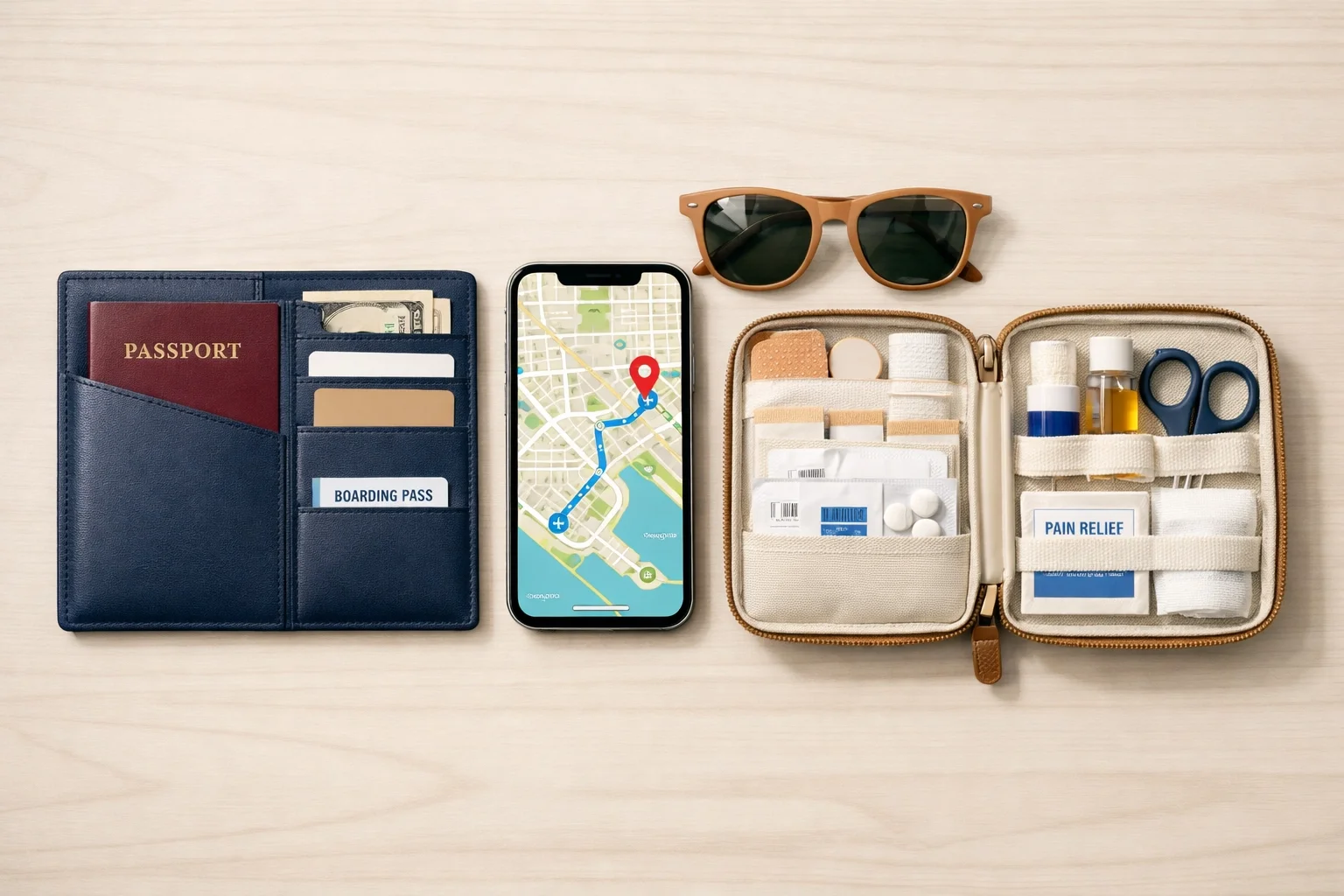
Keep the hotel address saved in the local language on your phone.
Save local emergency numbers.
Take screenshots of your passport and insurance.
Give one trusted person at home a copy of your basic itinerary.
Simple preparation builds a sense of control.
6. Set Up a Money System That Cannot Fail You
Confidence comes from stable systems. Do not rely on a single card.
Notify your bank of your travel dates.
Carry two separate cards stored in different places.
Only use ATMs attached to actual banks during business hours.
Turn on transaction alerts on your phone.
If a card is compromised, you have a backup. If a machine eats your card, you have a human to talk to.
7. Set Up Your Phone for Solo Travel (Maps, Data, Translation)
You do not need to be a digital native to travel solo. You just need a basic setup. Download offline maps for your destination. Buy an eSIM or plan to get a local SIM card upon arrival. Data is a safety tool. Download translation packs so you can read menus or signs without an internet connection. Save your hotel in your favorites on your map app. Technology is your silent navigator.
8. The Best Tactics for Dining Alone as a Woman
This is where many women falter. Use these tactics to skip the awkwardness. If the restaurant has a bar, sit there. It is the solo traveler's power move. It is naturally social and puts you in the direct line of sight of the staff.
If you prefer a table, ask for a table for one and sit down with purpose. Order a drink and an appetizer immediately. It gives your hands something to do while you adjust to the room. If you want a light connection, ask the server: "If your sister were visiting, what would you tell her to order?" This often leads to better food and a brief, pleasant interaction.
9. The Arrival Day Routine to Beat Jet Lag
The first day is for grounding, not sightseeing. Jet lag and unfamiliarity can make you feel vulnerable.
Go straight to your hotel and unpack.
Get outside. Fresh air and direct sunlight are non-negotiable for resetting your internal clock to the local time zone. The movement will help burn off any lingering travel energy so you actually sleep tonight.
Find a warm meal.
No naps. Pushing through until a normal local bedtime is the only way to beat jet lag. A "quick nap" is usually a trap that ruins your first 48 hours.
Get an early night.
Exploring starts tomorrow when you are rested. Do not try to conquer a city on four hours of sleep.
10. Make Peace with Imperfect Plans (And Recover Fast)
Something will go sideways. A train will be cancelled. A rainstorm will ruin a beach day. This is not a failure of your planning; it is the nature of travel. When things fall apart, stop. Have a coffee or a stiff drink. Ask yourself: "What would I do if this happened at home?" Usually, the answer is simple. Recovery builds more confidence than a perfectly executed plan ever could. Flexibility makes for easier travel.
You Are Ready Now
Solo female travel is a path to self-reliance. It is a way to remember who you are when you are not being a mother, a partner, or an employee. You are not late to this experience. You are just ready now.
The world is not as dangerous as the news suggests, and you are far more capable than your fears tell you. Use this plan. Adjust it on the fly. Scrap the parts that do not fit your life. But book the ticket. Your life is not waiting for you to find a travel partner. You shouldn't wait either.
The first step is the hardest. The rest is just walking.
Want to take the guesswork out of your next adventure? Join the Next Stop: Elsewhere mailing list for early access to our Travel Planning Labs, interactive workshops, and new podcast episodes designed for the solo woman traveler.
