5 Safe Destinations for Women Over 50: Our Picks

Choosing a destination for your first solo trip is about more than scenery. It is about infrastructure. You want a place where the streets are walkable, the lighting is decent, and dining alone does not require a performance. These five cities meet that standard. They are not obscure. They are not adventurous in the backpacking sense. They are well-designed, well-lit, and easy to navigate on your own terms.
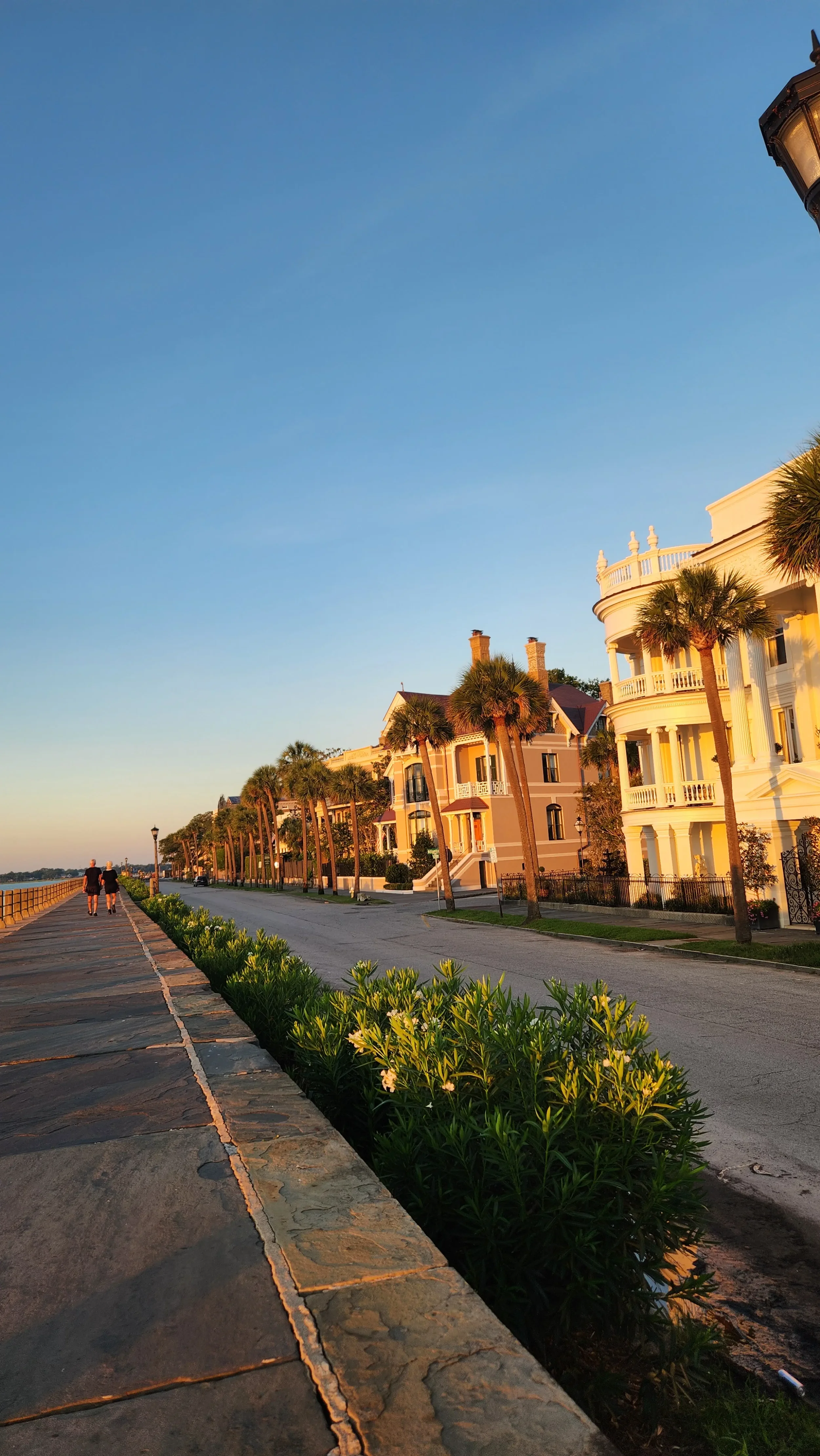
Charleston, South Carolina
Charleston's historic district is one of the most walkable urban cores in the American South. The Battery, the streets around Rainbow Row, King Street — you can cover all of it on foot without a plan or a ride-share. The neighborhood stays populated well into the evening, and the lighting in the historic core is reliable.
The hospitality here is genuine without being aggressive. Locals will give you directions. Shop owners will hold a door. Nobody will make you feel watched or out of place for being alone.
For dinner solo, the bar at a restaurant like The Ordinary works well. It is busy, the staff is attentive, and counter seating at a working bar removes the discomfort of a two-top table meant for two.
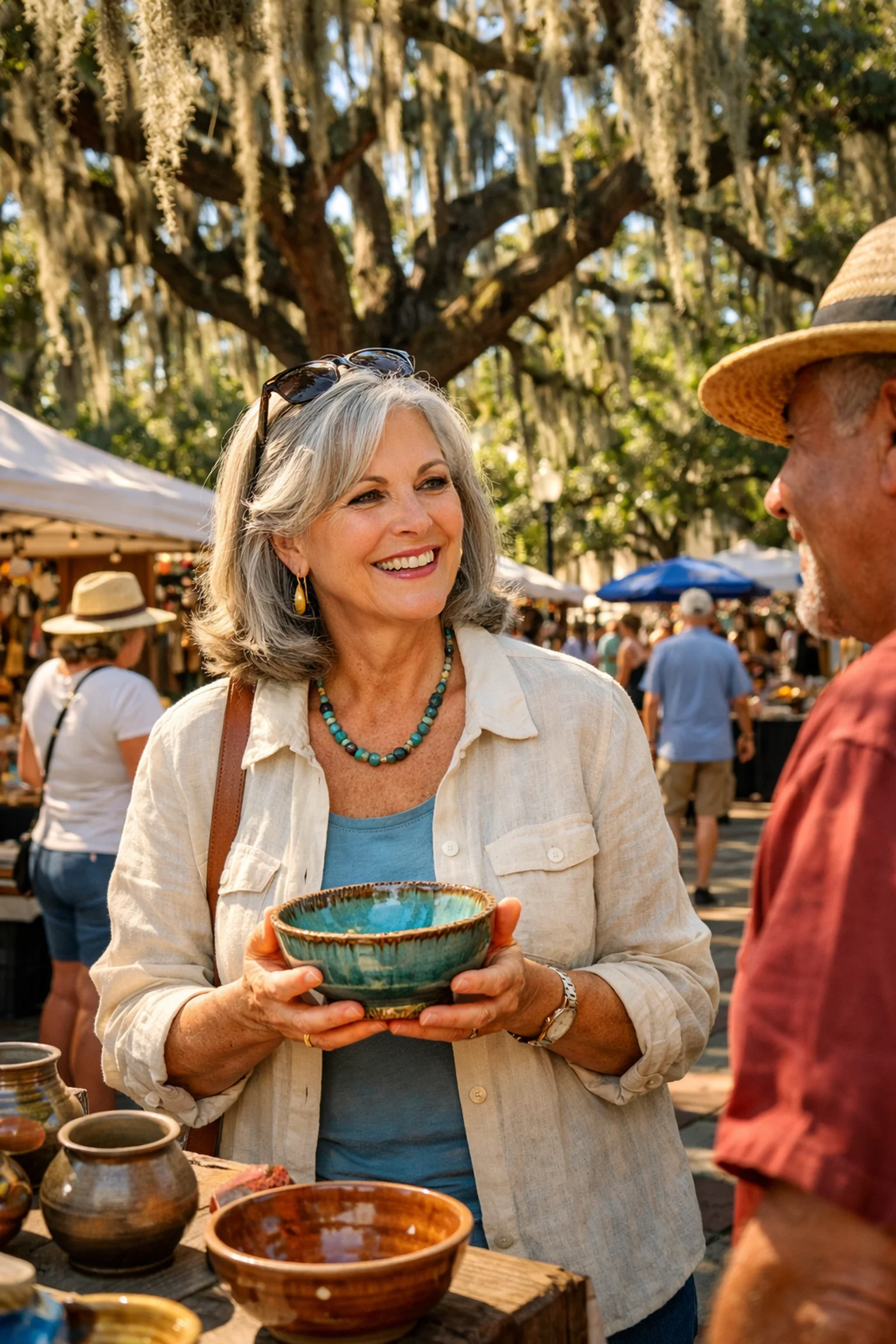
Savannah, Georgia
Savannah is built around twenty-two public squares. That layout is the reason it works so well for solo navigation — you always have a landmark, always have somewhere to sit and regroup, and you are never far from a main corridor. The scale is manageable. You can walk from the riverfront to the Victorian District in under thirty minutes.
The pace is slow. No one is rushing. That matters more than it sounds when you are still figuring out how you move through a city alone.
The restaurant scene skews toward historic buildings and converted spaces, many with substantial bar areas where single diners are common. Arrive early, take a seat at the bar, and take your time.
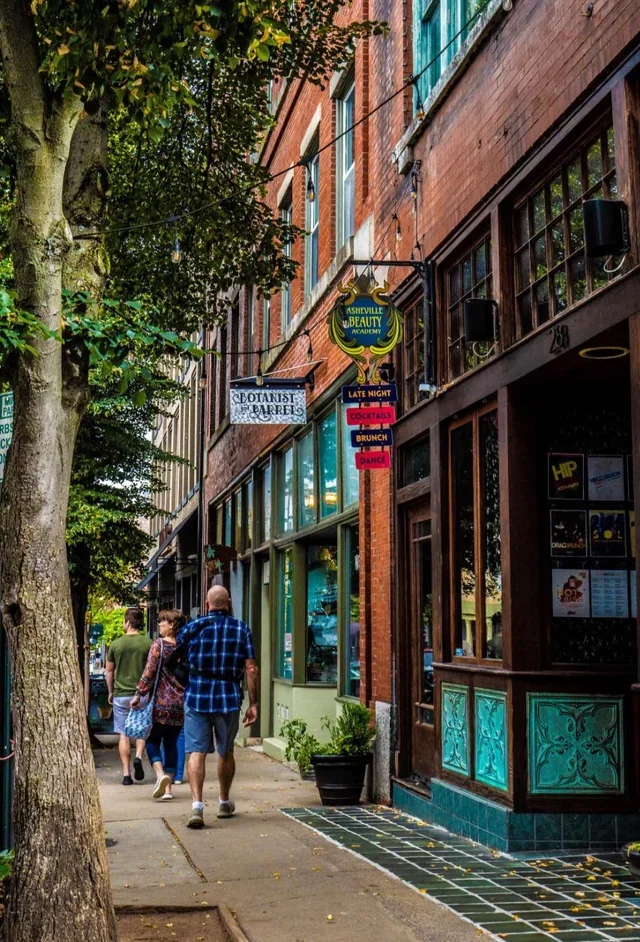
Asheville, North Carolina
Asheville is the right choice if you want mountains over coastline. Downtown is compact, the River Arts District is worth a full afternoon, and the surrounding trails are accessible without a car if you plan ahead. The city has a strong culture of independent travel — women hiking alone or eating alone here draw no particular attention.
The practical advantage: you can do an outdoor excursion in the morning and be back downtown for dinner by seven. That combination — real nature access plus a functional small city — is harder to find than it should be.
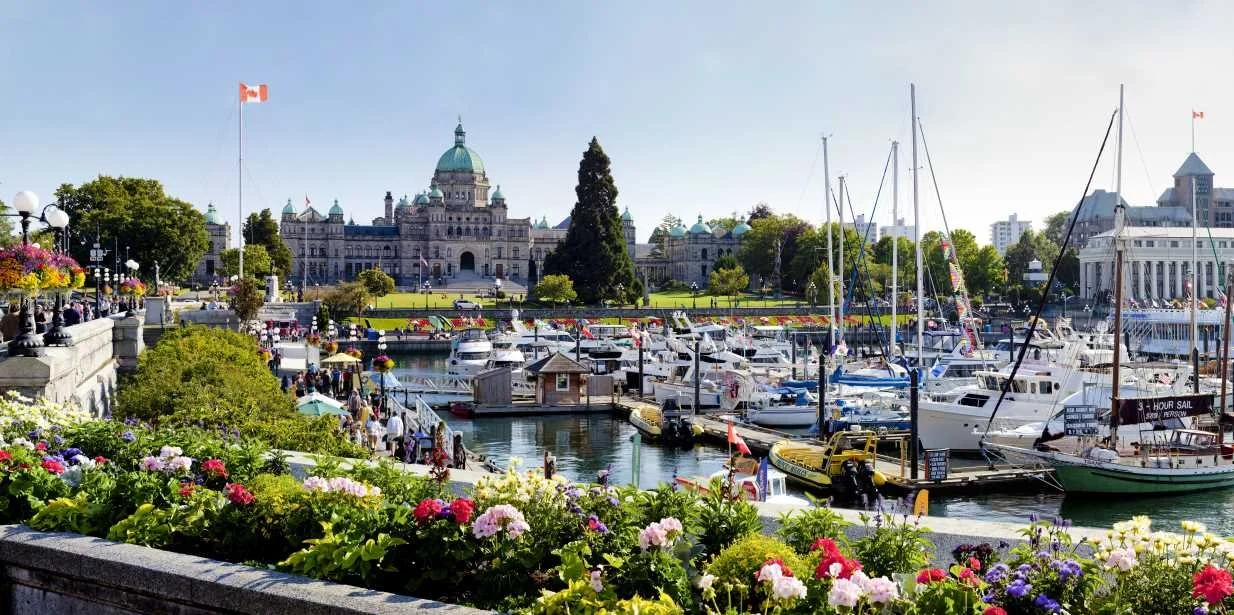
Victoria, British Columbia
Victoria sits at the southern tip of Vancouver Island and functions, operationally, like a very clean mid-sized British city. English is the first language. Public transit is straightforward. The Inner Harbour area is busy with foot traffic, well maintained, and easy to navigate.
The crime rate is low. The streets are built for pedestrians. If you want an international experience without the complications of a long flight or a language barrier, Victoria is the most efficient route to that.
Afternoon tea at the Fairmont Empress is worth doing once — it is a structured, unhurried meal where arriving with a book is entirely normal.
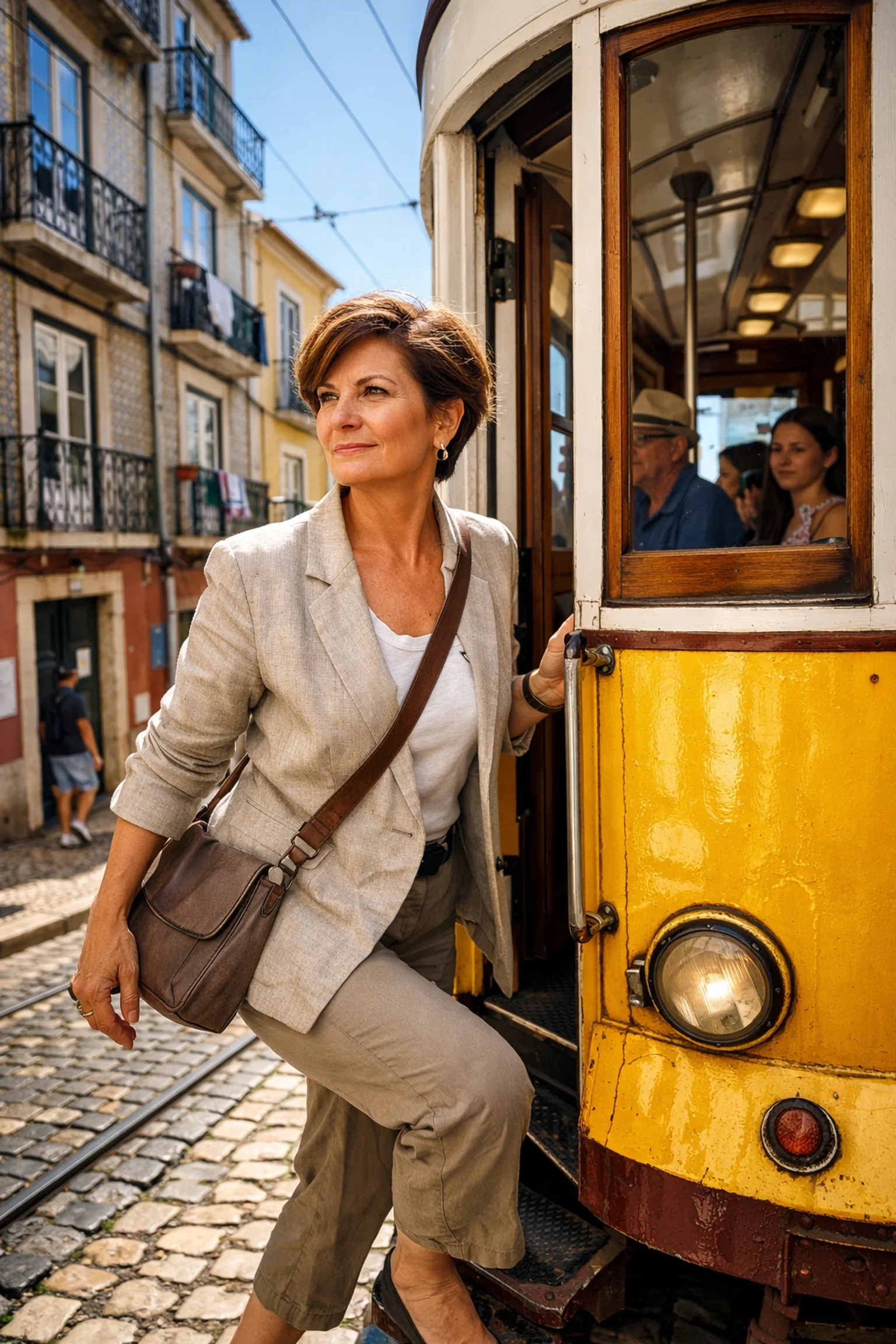
Lisbon, Portugal
Lisbon is the practical entry point for a first European solo trip. It consistently ranks among the safest capitals on the continent. Most residents in tourist areas speak English. It is significantly more affordable than Paris or London, which means you can stay in a central, well-located neighborhood — Baixa or Chiado are both good — without stretching your budget.
The city's public life is oriented around outdoor spaces. Miradouros — the hilltop viewpoints — are full of people at all hours. That constant street presence is a natural safety feature. The hills require real walking shoes. That is the main logistical note.
What These Cities Have in Common
They are all walkable. They all have reliable infrastructure. They all have dining cultures where a single woman at a bar or a corner table is unremarkable. None of them require you to master a complex transit system to get through a day.
That is the baseline. Start there.
For gear and preparation, the Solo Travel Starter Kit has what you need.
